- U.S. Patriot missile stockpiles dropped to 25% of required levels (from 2,300 to ~800) after Iran war and Ukraine support, while adversaries produce ballistic missiles faster than the U.S. can manufacture interceptors
- Pentagon's $58.6B plan to triple production to 2,000/year by 2030 can't overcome industrial constraints — rocket motor curing, supplier qualification, and manufacturing capacity all take years to scale
- The crisis reveals a structural problem: exquisite point defense systems optimized for peacetime fail under sustained attack when adversaries exploit the production rate mismatch
The Math That Doesn’t Add Up
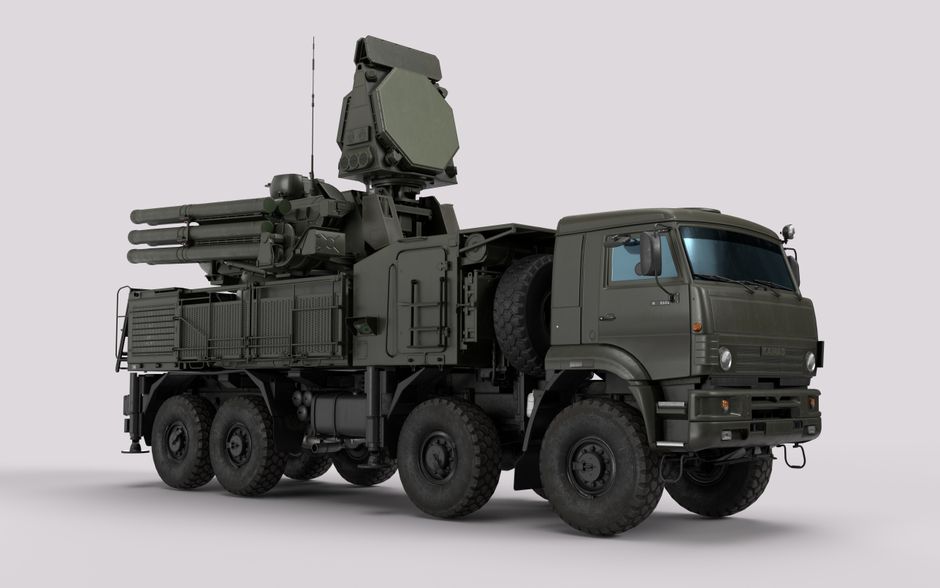
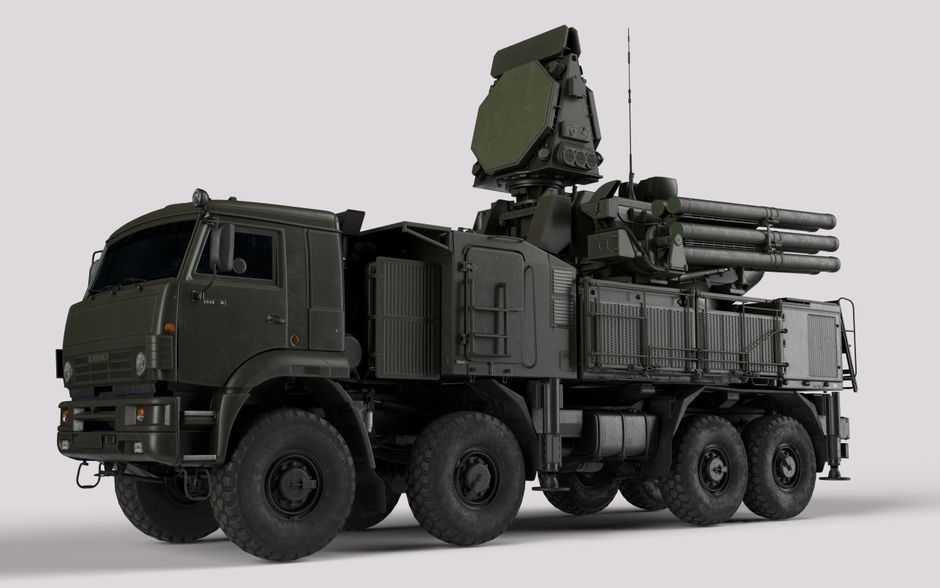
The Pentagon announced plans last week to triple Patriot interceptor production and quadruple THAAD output — a tacit admission that the world’s most advanced missile defense architecture has a fatal flaw: adversaries can fire cheap ballistic missiles faster than we can manufacture the $4 million interceptors to stop them.
The numbers are stark. U.S. Patriot stockpiles have fallen to just 25% of Pentagon requirements, dropping from over 2,300 missiles before the Iran conflict to roughly 800 today. Meanwhile, Russia produces 840-1,020 Iskander and Kinzhal ballistic missiles annually, while the U.S. and its partners combined manufacture fewer than 1,000 Patriots per year. Iran’s firing rate during the recent conflict further accelerated the depletion.
This isn’t a temporary supply chain hiccup. It’s a structural mismatch between offense and defense economics that no amount of funding can quickly fix.
Why You Can’t Just Build More Factories
The Pentagon’s response — a $58.6 billion, seven-year contract with Lockheed Martin to boost PAC-3 MSE production from 600 to 2,000 missiles annually by 2030 — sounds decisive. But the timeline reveals the problem: even with unlimited budget, you can’t triple interceptor output overnight.
Patriot missiles aren’t stamped sheet metal. Each one contains precision guidance electronics, solid rocket motors that require weeks of curing time, and components that need multi-year supplier qualification. Lockheed is investing $8-9 billion to modernize over twenty manufacturing facilities and expand its Camden, Arkansas workforce by 50%, but physics and chemistry don’t care about your procurement urgency.
The industrial constraints are real. Establishing a second source for solid rocket motors, expanding ignition safety device production, and increasing structural component capacity all take years, not months. This isn’t a problem you solve by throwing money at it — it’s a problem you solve by starting five years ago.
The Adversary’s Vote
Here’s what makes this genuinely concerning: our adversaries understand the math better than we do.
Russia and Iran don’t need to match our technology. They just need to produce cheap ballistic missiles at a rate that forces us to expend $4 million Patriots faster than we can replace them. It’s asymmetric warfare applied to logistics: overwhelm the defense industrial base, not the defense system itself.
The U.S. has already begun rationing. We’ve delayed interceptor deliveries to Ukraine and pushed Switzerland’s order back to 2032 to prioritize Gulf protection. That’s the sound of hard choices being made — and we’re only at 25% of required stockpile levels.
Defense Secretary Pete Hegseth called stockpile concerns a “manufactured story” in June, yet two months earlier he acknowledged that replenishing inventories could take “months and years.” Both statements can’t be true. The cognitive dissonance suggests even leadership isn’t sure how to message a problem this fundamental.
What This Means for Practitioners
If you’re working in defense tech, autonomous systems, or anything touching critical infrastructure, the lesson here isn’t about missiles — it’s about production at scale under adversarial conditions.
We built an exquisite point defense system optimized for peacetime procurement cycles. The moment you face sustained, high-volume attacks, the entire architecture collapses not because the technology failed, but because the industrial model couldn’t support it.
This pattern repeats across domains:
– AI safety researchers designing perfect alignment solutions that take five years to implement while models iterate every six months
– Cybersecurity teams building sophisticated defenses that require manual expert review while attackers automate at cloud scale
– Supply chain audits that assume adversaries will wait politely while you onboard alternative suppliers
The Patriot shortage is a case study in designing systems without considering adversarial pressure on your replenishment rate. Your threat model needs to include the attacker’s production capacity, not just their capability.
The Long Game
The Pentagon’s production expansion will eventually close the gap — by 2030, we might hit 2,000 Patriots per year, plus quadrupled THAAD output. But “eventually” assumes adversaries freeze their own production and don’t develop cheaper countermeasures.
China is watching this unfold with interest. If the U.S. can’t sustain interceptor production against Russia and Iran’s missile output, what happens when a peer competitor with actual industrial depth enters the equation?
The uncomfortable truth is that we’ve spent two decades perfecting a missile defense architecture that works brilliantly in limited engagements but fails catastrophically in sustained conflict. We can intercept anything — as long as there aren’t too many of them.
That’s not a defense strategy. That’s a engineering demo pretending to be policy.
FAQ
Why can’t the Pentagon just pay more to speed up production?
Patriot interceptors require solid rocket motors that need weeks of chemical curing time, precision components with multi-year supplier qualification processes, and specialized manufacturing capacity that can’t be built overnight. Unlike software, you can’t just add more engineers to ship faster — physics and chemistry impose hard timelines that money can’t compress beyond a certain point.
How does this compare to artillery shell shortages in Ukraine?
The artillery shortage was a wake-up call; the Patriot crisis is structural. Artillery shells are relatively simple to manufacture and production lines can be spun up in months. Patriot interceptors are among the most complex munitions in the U.S. arsenal, each costing $4 million with supply chains that take years to scale. You can’t apply the same “build more factories” solution when each factory requires billions in infrastructure and years of qualification.
What happens if stockpiles drop below current 25% level?
The U.S. would face impossible triage decisions: protect troops in active combat zones, maintain deterrence commitments to treaty allies, or preserve a strategic reserve for potential conflict with China. We’re already rationing by delaying Ukraine and Switzerland deliveries. Below 25%, those choices become existential — do you defend Guam or the Persian Gulf? You can’t do both with 500 interceptors.
Did you find this helpful?
Your support keeps this blog running and ad-free content coming.
☕ Buy me a coffeeMost Popular Posts
- Custom Metaclass in Python: 43% Faster Validation (12,796 views)
- Python match-case: 7 Patterns That Beat if-elif Chains (947 views)
- YOLOv8 INT8 Quantization: 4x Faster on Jetson Orin (763 views)
- yfinance Alternatives 2026: 7 Free APIs Compared (656 views)
- PaddleOCR vs EasyOCR vs Tesseract: Why PaddleOCR Is Slower (552 views)
Leave a Reply