- Australia's six-month-old under-16 social media ban has a 70% circumvention rate, and the UK is implementing the same policy expecting different results.
- Age verification methods either fail to exclude teenagers or create mass surveillance infrastructure for all users—there is no middle ground.
- Banning mainstream platforms pushes at-risk teenagers toward unmoderated spaces with less protection, not more.
The Policy That Sounds Better Than It Works
The UK just announced the most aggressive social media restriction in Western history. Prime Minister Keir Starmer’s government will ban under-16s from using TikTok, Instagram, YouTube, Snapchat, Facebook, and X, with enforcement expected by spring 2027. The stated goal is to “give kids their childhood back.”
I think this is fundamentally misguided—not because protecting children online is wrong, but because the mechanism is destined to fail while creating surveillance infrastructure that affects everyone.
Australia Already Ran This Experiment
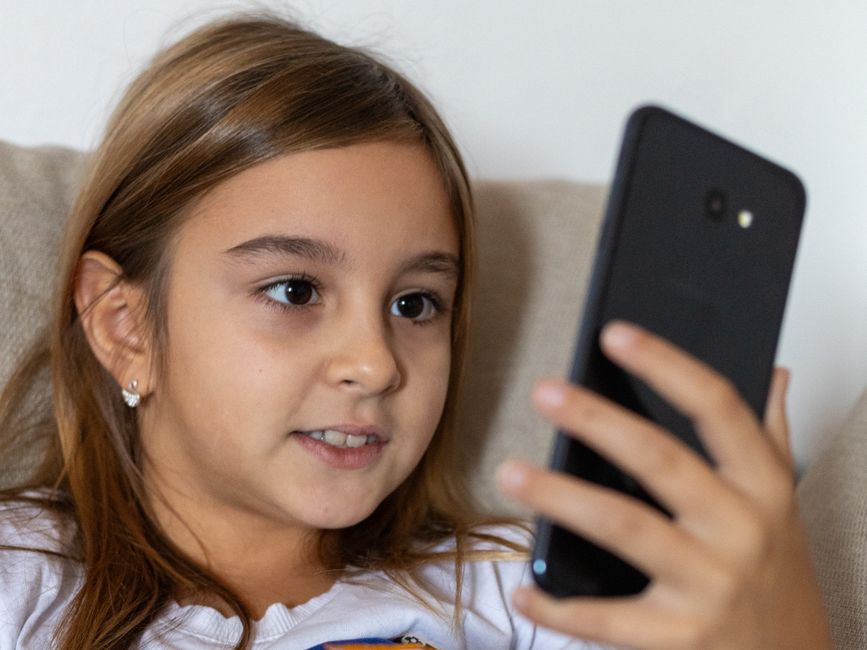
The UK is not pioneering anything. Australia implemented an identical ban in December 2025. Six months later, the results are in: seven in ten children who had accounts before the ban still have active accounts or successfully created new ones. The eSafety Commissioner has opened formal investigations into Facebook, Instagram, TikTok, Snapchat, and YouTube for non-compliance.
A 70% circumvention rate is not a policy hiccup—it is a policy failure. And the UK is walking into the same failure with eyes wide open, because the political optics of “doing something” outweigh the engineering reality that age verification on the internet is a fundamentally unsolved problem.
The Age Verification Problem Nobody Wants to Discuss
The UK government admits it does not yet know how enforcement will work. Ofcom will conduct a “rapid study” to figure it out, with details promised in July 2026. The candidate methods are:
- ID checks: Requires uploading government identification to access social media. Creates honeypots of sensitive identity data.
- Facial age estimation: AI guesses your age from selfies. Known accuracy issues with non-white faces. Creates biometric databases.
- Bank card verification: Assumes children cannot access adult payment methods. They can.
- Adult-verified email registration: Parents verify, then children use the verified account.
Every method either fails to exclude determined teenagers, creates mass surveillance infrastructure, or both. The Open Rights Group warns this amounts to “building a mass age-verification system for the entire internet, creating serious risks to privacy, data protection, and freedom of expression.”
They are correct. To verify that any user is 16+, you must verify the age of every user. This is not collateral damage—it is the core design.
What Actually Happens When You Ban Teenagers From Mainstream Platforms
Australia’s early data shows 27% of parents report their children shifted to “alternative platforms” after the ban. In practice, this means moving from moderated platforms with content policies and reporting mechanisms to unmoderated corners of the internet: Discord servers with no oversight, Telegram groups, decentralized platforms with no content moderation at all.
The perverse outcome is that the children most at risk—those with the technical knowledge or motivation to circumvent restrictions—end up in spaces with less protection, not more. Meanwhile, the children who comply lose access to legitimate educational content, community connections, and creative outlets.
YouTube is banned, but YouTube Kids is exempt. This makes sense for seven-year-olds. It makes no sense for fifteen-year-olds researching for school projects or learning programming from tutorials. The policy treats a 15-year-old and a 5-year-old as equivalent, which is absurd.
The Exemptions Reveal the Incoherence
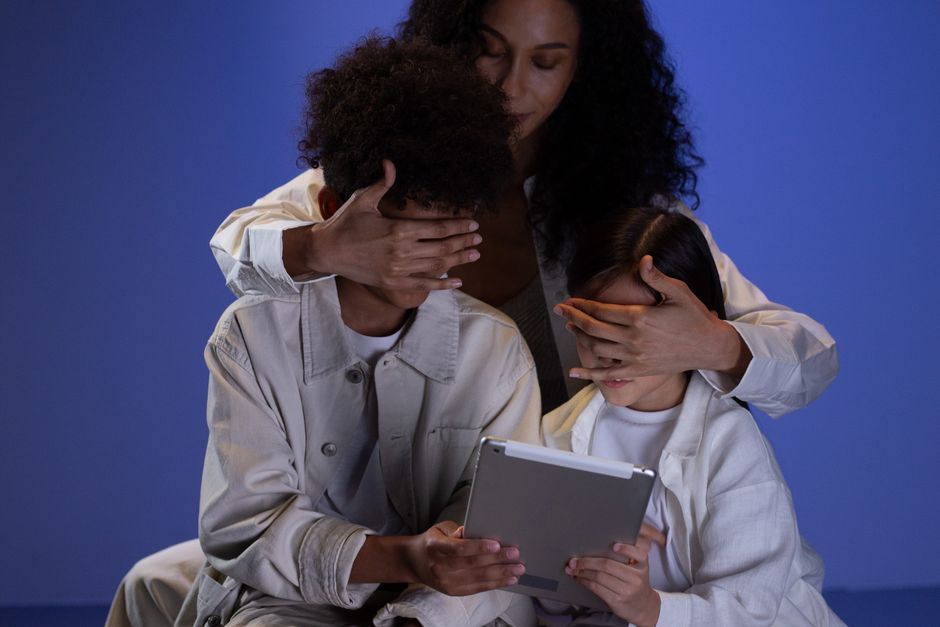
WhatsApp and Signal are exempt because they are “messaging apps.” But Instagram DMs function identically. TikTok has direct messaging. The distinction is meaningless from a child safety perspective—if the concern is predatory contact, messaging apps are the primary vector, not public feeds.
The real distinction is political palatability: banning WhatsApp would affect adults inconveniently. So the policy carves out exemptions that gut its own stated rationale.
What Would Actually Work
If the goal is reducing harm to children online, the evidence points elsewhere:
-
Platform design requirements: Force algorithmic feeds to deprioritize engagement-maximizing content for users under 18. This is technically feasible and does not require mass surveillance.
-
Default privacy for minors: Make accounts for users under 18 private by default, limit who can message them, disable features like livestreaming to strangers. Meta’s “Teen Accounts” already do some of this.
-
Digital literacy education: Teach children to navigate online spaces critically rather than pretending you can exclude them entirely.
-
Parental tools that work: Provide actual oversight mechanisms rather than mandating platforms verify ages they cannot verify.
These approaches accept the reality that teenagers will be online and focuses on making that experience safer rather than pretending prohibition is enforceable.
The Political Logic
The UK ban will pass because it polls well. Parents are anxious about their children’s social media use. “Ban it” is a simple message. “Redesign algorithmic engagement systems and mandate platform architecture changes” is not a slogan that wins elections.
But policy should be evaluated by outcomes, not intentions. Six months from now, British fifteen-year-olds will still be on TikTok—either through VPNs, fake birthdays, borrowed adult accounts, or platforms that simply ignore enforcement. The government will have built age-verification infrastructure that surveils adults, normalized biometric data collection for platform access, and failed to protect the children it claimed to prioritize.
This is not cynicism. This is what the Australian data already shows. The UK is choosing to learn the same lesson at the same cost.
FAQ
Q: When does the UK social media ban take effect?
A: The UK government targets spring 2027 for enforcement, following parliamentary passage and Ofcom’s study on age verification methods. Further details will be published in July 2026.
Q: Which platforms are affected by the UK ban?
A: TikTok, Instagram, YouTube, Snapchat, Facebook, X (Twitter), and Bluesky are covered. WhatsApp, Signal, and YouTube Kids are exempt. Messaging functionality within banned platforms is not separately addressed.
Q: How effective was Australia’s similar ban?
A: Six months after Australia’s December 2025 implementation, approximately 70% of children who had accounts before the ban retained access or created new accounts. The eSafety Commissioner opened formal investigations into major platforms for non-compliance.
Did you find this helpful?
Your support keeps this blog running and ad-free content coming.
☕ Buy me a coffeeMost Popular Posts
- Custom Metaclass in Python: 43% Faster Validation (13,005 views)
- yfinance Alternatives 2026: 7 Free APIs Compared (1,130 views)
- Python match-case: 7 Patterns That Beat if-elif Chains (1,019 views)
- YOLOv8 INT8 Quantization: 4x Faster on Jetson Orin (919 views)
- PaddleOCR vs EasyOCR vs Tesseract: Why PaddleOCR Is Slower (763 views)