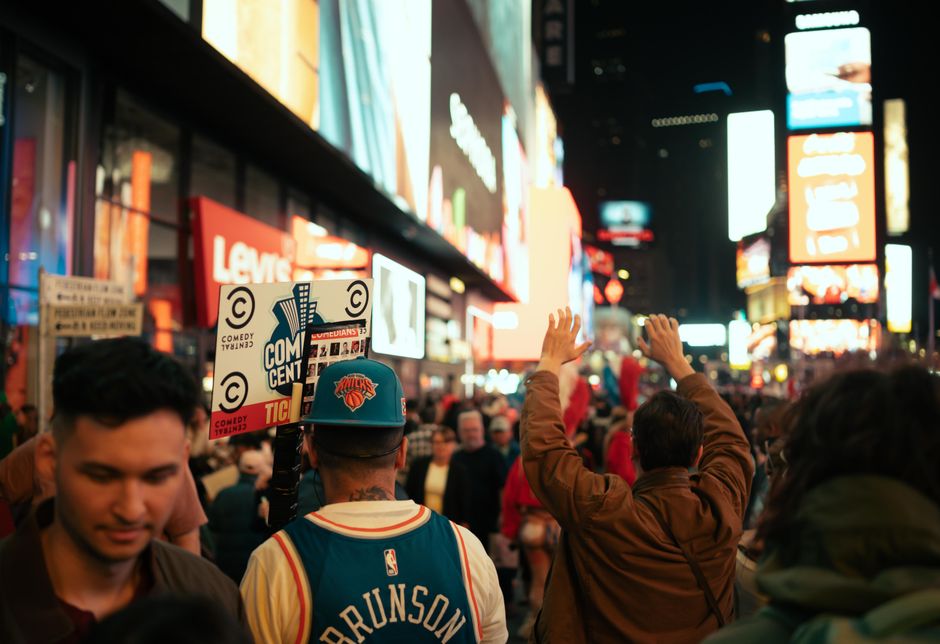
- The New York Knicks won their first NBA championship since 1973, defeating the Spurs 4-1 with Jalen Brunson earning Finals MVP after a 45-point closeout game.
- The victory validates patient roster-building over perpetual rebuilding, as discarded pieces from other teams combined into a cohesive championship unit.
- Victor Wembanyama's Spurs loss demonstrates that individual generational talent struggles against veteran-composed, playoff-tested systems.
Why This Title Matters More Than Basketball
The New York Knicks clinched their first NBA championship since 1973 on Saturday night, defeating the San Antonio Spurs 94-90 in Game 5. Jalen Brunson scored 45 points in the closeout game, earning unanimous Finals MVP honors. What strikes me about this story isn’t the basketball—it’s what 53 years of failure followed by sudden success tells us about how systems actually work.
Let me be clear about what happened: the Knicks didn’t just win a close series. They pulled off the largest comeback in NBA Finals history in Game 4, erasing a 29-point deficit to beat the Spurs 107-106. OG Anunoby’s tip-in with 1.2 seconds left sealed it. They then closed out Victor Wembanyama—the most hyped prospect since LeBron James—in five games.
The Real Lesson: Time-in-System vs. Perpetual Rebuild
Sports franchises operate like any other complex system: they cycle through strategies, personnel, and leadership while searching for the configuration that actually works. The Knicks tried everything during their 53-year drought. Star acquisitions. Tank seasons. Coaching carousel. Nothing worked until this specific combination of Brunson, Karl-Anthony Towns, and OG Anunoby clicked.
This pattern shows up everywhere. Companies trying to “move fast and break things” often find that the breakthrough comes after years of unglamorous foundation-building. The Knicks’ championship roster wasn’t assembled overnight—the Towns trade from Minnesota, widely questioned at the time, turned out to be the final piece.
What I find instructive is how the Knicks’ championship validates the “stay the course with adjustments” approach over perpetual reimagination. They didn’t blow up the core when the Celtics dominated them in 2024 or when doubters said Brunson wasn’t a true superstar. They added pieces around an established identity.
The Wembanyama Factor
Victor Wembanyama’s Spurs were supposed to represent the future of basketball—a 7’4″ alien who can shoot, block, and handle the ball. The Knicks beat him with fundamentals: veteran composure, playoff experience, and Towns limiting Wembanyama’s impact in Games 1 and 2 to steal home court.
There’s a broader point here about overhyped generational talent versus proven, cohesive systems. Wembanyama is undoubtedly special, but individual brilliance without the right supporting cast struggles against teams built for playoff basketball. The Spurs will likely win multiple championships with Wembanyama—but not until they surround him with the right pieces.
This mirrors what we see in tech: the most talented engineer doesn’t guarantee success. Organizational fit, timing, and the supporting cast matter enormously. The Knicks’ unglamorous roster—players other teams didn’t want as centerpieces—outperformed the league’s most exciting individual talent.
What 53 Years of Drought Actually Cost
Let’s be honest about the economics. New York is the largest media market in the country. The Knicks’ 53-year championship drought represented billions in unrealized potential—not just in jersey sales and ticket revenue, but in the cultural cachet that comes with winning. Madison Square Garden, “The World’s Most Famous Arena,” hosted decades of mediocrity.
The parade scheduled for June 18 down the Canyon of Heroes will be the first ticker-tape parade in Knicks history. Not because they never won before—they won in 1970 and 1973—but because Mayor Lindsay had discontinued parades at the time.
This detail captures something important: success in the moment doesn’t guarantee recognition. The 1973 Knicks were champions without the celebration. Fifty-three years later, this team gets the parade. Timing shapes legacy as much as achievement.
The Brunson Story
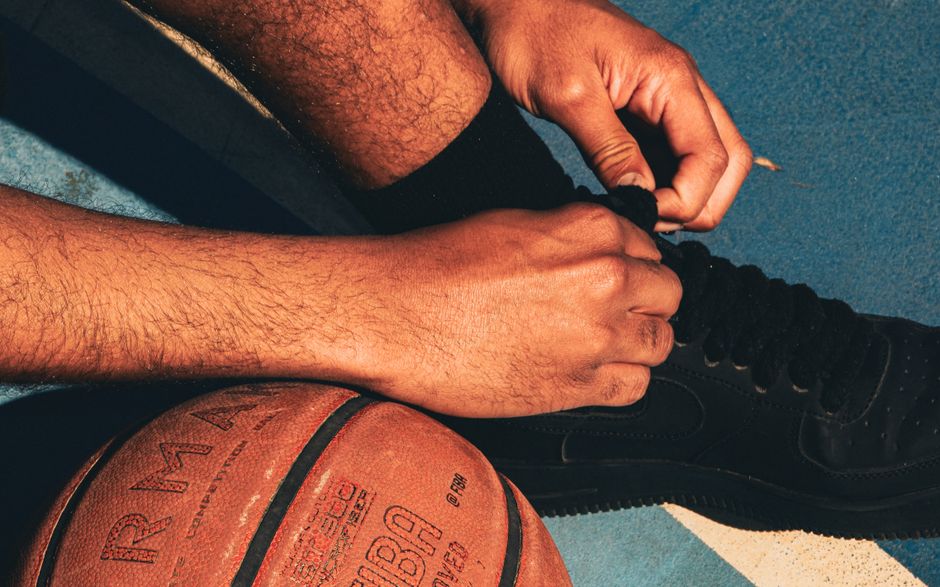
Jalen Brunson was a second-round pick. He was Jason Kidd’s backup in Dallas. When the Knicks signed him in 2022, skeptics questioned paying $104 million for a player who’d never been a team’s primary option.
Now he’s a Finals MVP with a 45-point championship closeout performance. His 32.6 points per game in the Finals came with the pressure of ending half a century of failure.
What I find compelling is how Brunson’s path contradicts the “identify stars early and build around them” conventional wisdom. He wasn’t anointed. He wasn’t a lottery pick. He emerged through development and opportunity—a path that’s harder to model but produces players with different psychological makeup than franchise saviors who’ve been coddled since high school.
What This Means for Everyone Else
The Knicks’ championship doesn’t change the fundamental dynamics of professional basketball. The best teams will still usually win. Star talent still matters enormously. But it does offer a counternarrative to the winner-take-all mentality that dominates discourse in sports, tech, and business.
Sometimes the configuration that works isn’t the one that looks best on paper. Sometimes the discarded pieces from other systems combine into something greater than the sum of parts. Sometimes 53 years of failure is the price for learning what doesn’t work before stumbling into what does.
New York will celebrate this week. Brunson will be feted as a hero. The 29-point Game 4 comeback will become legend. But the more interesting story is what happens next—whether this team can sustain success or whether they’ll join the Knicks’ historical pattern of brief peaks followed by long valleys.
For now, though, 53 years is over. Sometimes patience pays off.
FAQ
Q: How did the Knicks win the 2026 NBA Finals?
A: The Knicks defeated the San Antonio Spurs 4-1 in the series. Key moments included a record 29-point comeback in Game 4 and Jalen Brunson’s 45-point performance in the Game 5 clincher. Brunson was named Finals MVP after averaging 32.6 points in the series.
Q: Why is this Knicks championship considered historic?
A: It ended a 53-year championship drought for the franchise—the longest active drought in the NBA at the time. The 1973 championship was their last, making this the most anticipated title in modern Knicks history.
Q: What was the key acquisition that helped the Knicks win?
A: The Karl-Anthony Towns trade from Minnesota proved decisive. Towns helped neutralize Victor Wembanyama in the early games of the Finals and provided the interior presence the Knicks needed alongside Jalen Brunson and OG Anunoby.
Did you find this helpful?
Your support keeps this blog running and ad-free content coming.
☕ Buy me a coffeeMost Popular Posts
- Custom Metaclass in Python: 43% Faster Validation (12,992 views)
- yfinance Alternatives 2026: 7 Free APIs Compared (1,112 views)
- Python match-case: 7 Patterns That Beat if-elif Chains (1,005 views)
- YOLOv8 INT8 Quantization: 4x Faster on Jetson Orin (916 views)
- PaddleOCR vs EasyOCR vs Tesseract: Why PaddleOCR Is Slower (750 views)